

DTF printing opens a flexible, high-quality path to decorating apparel with vibrant graphics. For those comparing DTF vs DTG, the Direct-to-Film process uses a DTF transfer film and powder to produce durable designs on a wide range of fabrics. This approach offers bold graphics with reliable adhesion and color fidelity across light and dark garments, making it ideal for designers and production teams seeking scalable color in small runs. With this method, DTF printing on apparel benefits from color management and minimal pretreatment, streamlining on-demand production, reducing setup costs, and scaling with your catalog. When using DTF inks and films, proper curing and film handling are essential to maximize wash-fastness and vibrancy.
Other terms that describe this technology include direct-to-film transfer, film-based transfer, and a heat-press enabled digital-to-fabric method. Within a film-to-fabric workflow, printers deposit a full-color design onto a PET transfer sheet, then fuse it to fabric using heat and pressure. This approach aligns with on-demand production, offering broad fabric compatibility and the ability to decorate both light and dark textiles. From a quality standpoint, managing color profiles, film quality, and curing steps is crucial for durability, wash fastness, and repeatable results. As brands compare options like DTG, dye-sublimation, or traditional heat transfers, the film-based method remains a compelling choice for vibrant, durable apparel graphics.
DTF Printing 101: Understanding the Direct-to-Film Process
DTF printing, short for Direct-to-Film, is a versatile method that uses a PET transfer film to carry full-color artwork from ink to fabric. In this Direct-to-Film process, designs are printed in CMYK—often with white ink as a base on dark fabrics—onto a special transfer film, then coated with adhesive powder and fused onto garments with heat. This approach bridges digital printing precision with the portability of heat transfer, enabling vibrant results across a broad range of fabrics.
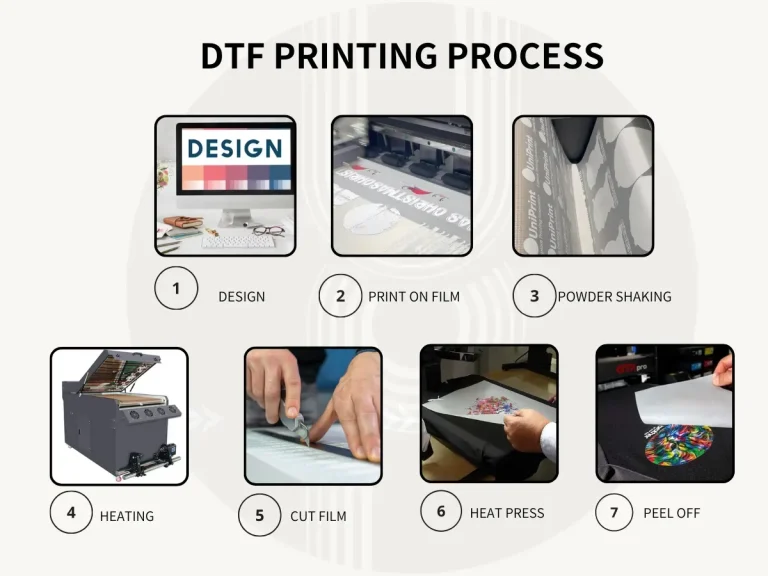
From design to garment, the workflow involves printing on transfer film, powder adhesion, curing, and heat transfer. The film is peeled away after pressing, leaving the color embedded in the fabric and guarded by the adhesive shell. This method excels for on-demand production and on fabrics that are difficult for traditional screen printing.
DTF vs DTG: Which Garment Decoration Method Fits Your Brand?
DTF vs DTG: Direct-to-Film vs Direct-to-Garment are two popular digital decoration methods. DTF prints onto a transfer film and is applied to the fabric, while DTG prints directly onto the fabric. DTF generally supports a wider range of fabrics, including certain blends and dark textiles, with less pretreatment.
DTF offers scalability for on-demand runs and proofs, with strong durability and color fidelity after washing. DTG can deliver ultra-soft hand-feel on light fabrics but may require pretreatment and maintenance. Your choice depends on fabric mix, batch size, and production workflow.
DTF Transfer Film: The Core Material that Enables Vibrant Transfers
DTF transfer film is the carrier that holds color and detail during printing and transfer. The PET film is engineered to release the printed design under heat while working with the adhesive powder to form a durable layer on the garment. This film is central to achieving sharp edges, accurate color, and reliable wash performance.
Quality of the transfer film affects color accuracy, opacity on dark fabrics, and the overall feel of the finished garment. Store films properly in a cool, dry place and choose film stock that matches your ink system for consistent results.
DTF Inks and Films: Materials that Drive Color Fidelity on Apparel
DTF inks, typically CMYK with white as a base on dark textiles, define the color gamut and opacity in the printed transfer. When paired with compatible films, they produce vivid gradients and photographic detail on a wide range of fabrics, including blends.
Choosing the right DTF inks and films, along with proper curing, influences adhesion, hand feel, and wash durability. Understanding how the inks, white ink layering, and film interact helps maintain consistent color and longevity.
DTF Printing on Apparel: Best Practices for Durable, Vivid Prints
Printing on apparel with DTF requires selecting fabrics carefully and managing opacity to achieve solid coverage, especially on dark garments. White ink acts as an opacity layer, followed by color layers carried by the transfer film to deliver bold, long-lasting imagery.
Key practices include calibrated color management, even powder application, correct curing, and precise heat press settings. Following post-transfer care guidelines also helps maximize wash durability and color retention.
Optimizing DTF Workflow: From Design to Delivery
An efficient DTF workflow reduces setup time between designs and speeds up on-demand orders. Align design files, color management, film stock, powdering, curing, and heat transfer into a repeatable process that scales with demand.
Areas to optimize include cost per print, equipment reliability, and staff training. Building standardized procedures for design prep, printing, powdering, curing, and transfer minimizes errors and improves consistency across DTF printing on apparel.
Frequently Asked Questions
What is Direct-to-Film (DTF) printing and how does the Direct-to-Film process work for apparel?
DTF printing, or Direct-to-Film printing, prints the design onto a PET transfer film using CMYK inks (often with white as a base). The film is then dusted with an adhesive powder, cured, and pressed onto the garment so the color transfers to fabric during heat application. This Direct-to-Film process yields vibrant, durable apparel graphics across a wide range of fabrics and colors.
DTF vs DTG: Which method is better for apparel decoration and when should you choose DTF printing?
DTF printing generally offers broader fabric compatibility, stronger color on dark textiles, and efficient on-demand production, making it a strong choice for varied fabrics and small runs. DTG excels on light fabrics with soft hand feel but often requires pretreatment and may have higher costs for dark garments. Choose DTF printing when you need versatility, durability, and lower pretreatment in a mixed material lineup.
What is a DTF transfer film and how does it influence print quality?
A DTF transfer film is the PET film that carries your printed design and releases it onto fabric during heat transfer. Film quality, surface smoothness, and the printing of white ink (when needed) influence edge sharpness, color fidelity, and durability. Using a high-quality DTF transfer film helps maintain vibrant color and wash-fast results.
Can DTF printing on apparel be used on dark fabrics?
Yes, DTF printing on apparel works well on dark fabrics because white ink is often printed first to create opacity, allowing bright colors to show through. This capability makes DTF printing on apparel suitable for both dark and light garments with strong color reproduction.
What should I know about DTF inks and films and how they affect color, texture, and wash durability?
DTF inks and films include CMYK (and often white) inks and PET transfer films. The interaction of the ink, white base, adhesive powder, and heat press determines color richness, hand feel, and wash durability. Using quality DTF inks and films promotes consistent opacity, vibrant colors, and durable adhesion.
What are best practices to optimize DTF printing results?
Develop a standardized DTF workflow: prepare color-managed designs, print onto the transfer film (white ink as needed), apply adhesive powder and cure, then heat-press with the recommended time, temperature, and pressure. Trim and peel according to hot or cold peel guidance, and follow garment care instructions to maximize durability.
| Aspect | Summary |
|---|---|
| What is Direct-to-Film (DTF) Printing? | A multi-step process using a PET transfer film to carry CMYK (often with white) designs, which are powder-coated, cured, and heat-transferred to fabric for durable, vivid prints on a wide range of fabrics. |
| How DTF Works (high-level) | Design artwork; print onto transfer film with CMYK (plus white as needed); apply adhesive powder; cure; heat-press onto fabric; peel hot or cold to reveal the design. |
| DTF vs DTG (Key Differences) | DTF uses a transfer film and is versatile across fabrics; DTG prints directly on fabric. DTF offers broader fabric compatibility, less pretreatment, and strong adhesion; DTG can yield softer hand but may require pretreatment. |
| Materials, Equipment, and Workflow | Printer with CMYK (and optional white); PET transfer films; adhesive powder; curing equipment; heat press; trimming tools; cleaning and organizing supplies. |
| Why DTF Transforms Apparel Decoration | Expands fabric compatibility (including dark fabrics); enables on-demand, fast turnaround; supports full-color graphics; simplifies workflow and can deliver durable results. |
| Best Practices, Tips, and Pitfalls | Calibrate color management; apply powder evenly and cure thoroughly; prep fabrics, maintain heat/pressure accuracy; choose quality films; maintain equipment and follow care guidelines. |
| Care, Longevity, and Wearability | DTF transfers are designed to withstand typical wash cycles with proper curing and care; allow full cooling, store away from direct sun to prevent fading; expect strong color retention and adhesion over many washes. |
| Applications | T-shirts, hoodies, athletic wear, on-demand runs, merchandise, bags and accessories—especially for small brands and shops needing quick turnaround. |
Summary
DTF printing is a versatile approach to modern apparel decoration, offering vibrant, durable transfers across cotton, blends, and some synthetics, while supporting on-demand production. This guide explains the Direct-to-Film process, compares DTF to DTG, and outlines the materials, equipment, and best practices for achieving reliable results. By leveraging film-based transfers, businesses can decorate a wide range of fabrics, minimize pretreatment, and streamline workflows for faster turnaround. As technology and film formulations evolve, DTF printing continues to enable broader fabric compatibility, richer color reproduction, and scalable on-demand printing that keeps pace with today’s design trends.