

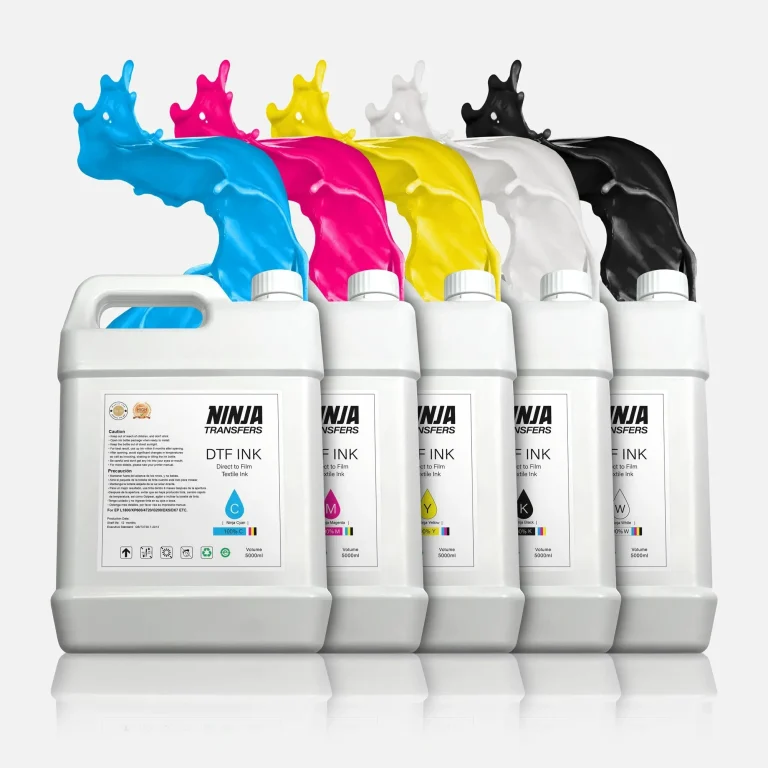
DTF inks have transformed how designers and apparel brands approach custom prints, delivering vibrant, durable results through pigment-based formulations. As more shops adopt direct-to-film processes, understanding DTF ink pigments, color quality, and performance becomes essential for consistent results. This article explores how the chemistry of DTF inks and their pigments influences opacity, brightness, and wash-fastness across fabrics. By comparing the best DTF inks for vivid colors with practical testing, you can choose a reliable solution that balances cost, durability, and color accuracy. Whether you prioritize color gamut, print stability, or compatibility across printers, this guide helps you navigate DTF printer inks comparison and select the right pigment-based DTF inks.
Beyond the shorthand for film-based textile transfers, this technology is often described as direct-to-film pigment transfer. In practice, printers rely on pigment-based ink sets that deliver opacity, wash-fastness, and color stability on a range of fabrics. Marketers and shops compare film-transfer inks by color gamut, long-term durability, and compatibility with various substrates, not just by brand labels. Understanding the science behind the pigments—structure, particle size, and how binders fix color to fibers—helps operators optimize press settings and workflow. By focusing on color quality, coverage, and real-world performance, you can select a robust pigment-transfer system that meets your design goals.
DTF inks explained: pigment-based DTF inks and color quality
DTF inks transfer pigment onto textiles using a heat-press process. In this section we focus on pigment-based DTF inks and how DTF ink pigments influence color quality, opacity, and durability. The pigment particles, their spectral response, and how binders and curing agents work together determine saturation and lightfastness.
As you evaluate inks, consider how pigment-based formulations manage color gamut, grain, and underbase performance. The binder chemistry and carrier affect adhesion to fibers, washing resistance, and how vivid colors appear across a range of fabrics.
Pigment-based DTF inks vs other ink types: choosing for vivid results
Pigment-based DTF inks vs dye-based or hybrid formulations: pigments tend to offer superior opacity on dark fabrics and better wash-fastness. They rely on solid color particles that stay with the surface after curing, delivering strong color quality and long-lasting results.
Dye-based DTF inks can provide a broader color gamut and a softer hand on light fabrics, but they may require more precise curing and formulation to avoid bleeding or fading. For many applications, pigment-based DTF inks are preferred when the goal is vivid, long-lasting results across substrates. In practice, many shops seek the best DTF inks for vivid colors when branding on dark garments.
Best DTF inks for vivid colors: maximizing saturation and range
When selecting inks, look for high pigment strength, strong opacity, and a broad color gamut. The best DTF inks for vivid colors deliver deep blacks, vibrant reds, and natural skin tones with consistent brightness across batches.
Real-world tests and independent comparisons help identify which pigment blends hold up under wash, UV exposure, and repeated wear. Also consider how well the inks work with your printer, transfer film, and heat-press settings to ensure color accuracy and durability.
DTF printer inks comparison: real-world performance under stress
A robust DTF printer inks comparison involves side-by-side prints that evaluate brightness, saturation, and hue accuracy across multiple ink lots.
Test conditions should include lightfastness, wash durability, and coverage on both light and dark substrates, helping you choose inks that maintain color punch after multiple cycles.
Color quality and performance factors in pigment-based DTF inks
Key factors include pigment strength, opacity, grain, color management compatibility, and lightfastness. Each factor influences how faithfully artwork translates to fabric.
Understanding interaction with binders, carriers, and curing cycles helps predict color quality across fabrics. Look for documented tests and real-world case studies showing pigment-based DTF inks delivering reliable color.
Testing, workflow, and best practices for vivid DTF ink pigments
A practical workflow starts with calibration, ICC profiling, and color-management planning tailored to your fabric and printer.
Follow a repeatable testing protocol: color swatches, opacity checks on dark fabrics, wash tests, and controlled curing to optimize color saturation and durability for pigment-based DTF inks.
Frequently Asked Questions
What are DTF ink pigments and how do they influence color quality in DTF inks?
DTF ink pigments are solid color particles used in pigment-based DTF inks. They determine opacity, saturation, and lightfastness, which directly drive color quality. The pigments interact with binders and carriers during heat curing to achieve durable, vibrant transfers.
How do pigment-based DTF inks compare in a DTF printer inks comparison against dye-based or hybrid inks?
In a DTF printer inks comparison, pigment-based DTF inks typically offer stronger opacity, better wash-fastness, and faster lightfastness than dye-based or hybrid inks. They generally deliver vivid colors on a wider range of fabrics, with the trade-off of a potentially narrower color gamut and higher cost per mL. Always verify with independent tests on your substrates and films.
What are the best DTF inks for vivid colors, and how do pigment-based DTF inks contribute to color quality?
Best DTF inks for vivid colors are pigment-based DTF inks with high pigment loading and proven color quality, strong white underbase performance, and reliable curing. Look for tests showing saturation, opacity on dark fabrics, lightfastness, and stability across batches. Pair with calibrated ICC profiles to maximize color quality.
How should you test DTF inks to evaluate color quality and durability on dark fabrics?
Test by printing standardized color swatches that include primary colors and skin tones; assess opacity on dark textiles; run several wash cycles to measure color retention; verify curing at your standard heat-press temperature and dwell time; and compare batch-to-batch consistency.
In a DTF printer inks comparison, what factors determine the best ink choice for multi-fabric runs?
Key factors include color quality and accuracy, opacity on dark fabrics, wash-fastness and lightfastness, compatibility with your printer, films, and substrates, and availability of color-management tools and profiles from the vendor.
How do pigment-based DTF inks affect color consistency across different fabrics and curing settings?
Pigment-based DTF inks can maintain color consistency across fabrics when the pigment chemistry is matched with appropriate binders and curing. They tend to preserve color gamut and brightness after washing and light exposure when cured correctly. Regular ICC-based calibration per substrate and press settings helps keep colors stable.
| Aspect | Key Points |
|---|---|
| What DTF inks are and how pigments work | Pigment-based inks contain solid pigment particles in a carrier; heat curing bonds pigments to fabric; pigments drive color saturation, opacity, and lightfastness. |
| Pigment-based vs other ink types | Pigment inks offer superior opacity and wash-fastness vs dye-based or hybrid; dyes can provide broader color gamut and softer hand but may fade; choice depends on substrate and application. |
| Color quality and vibrancy factors | Pigment strength and spectral response; opacity on dark fabrics; color gamut and accuracy; grain/texture; interaction with binders and carriers. |
| Testing & evaluation | Standardized color tests; opacity checks on dark textiles; wash durability; heat-press compatibility; batch-to-batch consistency. |
| Practical tips for vivid colors | Calibrate workflow with ICC profiles; optimize substrate and pretreatment; control ink density and pass count; precise curing; maintain equipment and chemistry. |
| Cost and availability / compatibility | Cost per print; vendor support; compatibility with printers and films; ecosystem impact on color consistency. |
Summary
DTF inks are the keystone to vibrant, durable transfers, and understanding pigment chemistry helps designers choose inks that deliver on both color punch and wash-fastness. Pigment-based DTF inks provide solid opacity on dark fabrics, strong lightfastness, and more consistent results across runs, though they may require careful curing and color management to maximize color gamut. When evaluating DTF inks, look at pigment strength, spectral response, opacity, and the interaction with binders and carriers that cure on fabric. Testing should include standardized color swatches, opacity checks on dark textiles, wash durability, and heat-press compatibility to ensure real-world performance. Practical steps include calibrating workflows with ICC profiles, selecting compatible substrates and pretreatment, optimizing ink density and pass count, and maintaining equipment to avoid color drift. Real-world considerations include cost-per-print, supplier support, and compatibility with printers and films, which all influence color consistency in production. In the end, pigment-based DTF inks are often the best path to vivid, long-lasting colors across a range of fabrics, especially when ink management and curing are optimized. Start with pigments proven for color quality and durability, use objective tests, and tailor your process to your substrates—your DTF inks will deliver punchier colors that hold up to wear and washing.