

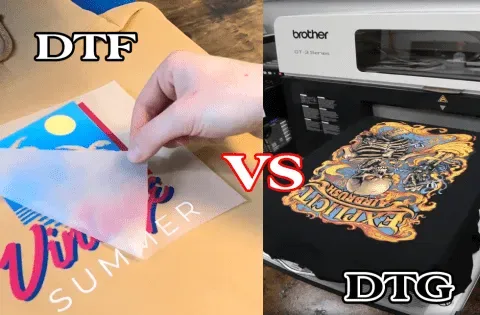
DTF transfers vs DTG is at the heart of every apparel brand deciding how to scale, manage costs, and deliver consistent quality. When you compare DTF vs DTG printing, you map how each method aligns with different product mixes, order volumes, and fabric choices to shape your long-term production plan. Understanding the broader implications of how these methods work helps teams anticipate timelines, labor needs, and quality control checkpoints. The practical reality is that the choice often comes down to cost structure, fabric compatibility, and how quickly you can turn designs into market-ready products. By looking at the bigger picture, you can document a plan that balances performance with scale and customer expectations.
DTF transfers benefits show up in versatility across fabrics and the ability to re-use designs across mid-volume runs. In addition, durability of DTF transfers matters for customer satisfaction, especially on blends and synthetics that see frequent washing when properly cured. Beyond that, brands should consider the broader implications of a film-based approach, from ink choices and curing steps to supply chain flexibility and environmental impact. This broader view also touches cost considerations, lead times, and the environmental footprint, helping brands balance speed, consistency, and long-term sustainability.
1) DTF transfers vs DTG: Understanding the core differences and where each shines
DTF transfers and DTG printing represent two distinct paths to apparel decoration: a film-based transfer approach versus a direct-to-fabric print. In practical terms, DTF uses a printed film coated with adhesive that is bonded to the garment, while DTG prints directly onto the fabric and is cured to set the design. This distinction affects texture, color density, and how forgiving each method is with different fabrics and finishes. Understanding DTF vs DTG printing helps you map design goals to process capabilities and set realistic expectations for hand feel and vibrancy.
When you compare DTF transfers vs DTG, you’re weighing a film-based transfer workflow against a direct-print workflow. DTF emphasizes versatility across fabrics and strong color fidelity from a separate transfer layer, whereas DTG emphasizes ultra-soft hand feel and high-resolution imagery on cotton-heavy blends. The right choice often hinges on your product mix, the fabrics you rely on, and the scale of your production pipeline.
2) Cost structure and total cost of ownership for brands
Cost considerations are central to deciding between DTF transfers and DTG printing. The upfront investment for DTG often includes a high-priced printer, maintenance, and pretreatment chemicals, while DTF can hinge more on film, adhesive powders, and curing steps. Discussing the cost of DTF vs DTG in practical terms means looking at per-unit economics across expected run sizes, as well as the potential for film reuse in DTF workflows to lower long-term costs.
Operating costs also differ by design complexity and volume. DTG can incur higher per-unit costs on small runs due to pretreatment and color management needs, while DTF’s reusable films and standardized transfers can offer more predictable pricing on mid-to-large volume orders. Factors such as white ink strategies, curing energy, and labor contribute to the total cost of ownership for each method.
3) Durability and wash performance across fabrics
Durability is a key consideration for activewear and everyday garments alike. DTF transfers are known for strong wash-fastness and vibrant color retention across a wide range of fabrics, including blends and synthetics. Proper curing, film quality, and adhesive formulation play major roles in how well DTF holds up after repeated wash cycles.
DTG prints can also deliver excellent wash resistance when correctly prepped and cured, particularly on cotton-rich fabrics. However, DTG reliability can be more fabric-dependent, requiring careful pre-treatment and monitoring of ink behavior on different fibers. In both cases, validating durabilities with standardized wash tests helps you predict long-term performance for your catalog.
4) Fabric compatibility and color management for bold graphics and soft hand feel
Fabric compatibility is a practical differentiator between methods. DTF transfers are forgiving across a broader range of fabrics, including blends and polyesters, making them a strong choice for mixed-fabric lines and catalogs that demand flexibility. This versatility aligns with the idea of DTF transfers benefits when you’re managing varied product specs and avoiding fabric-specific bottlenecks.
Color management and edge clarity also differ by method. DTG printing excels at soft hand feel and smooth gradients on cotton-rich materials, while DTF can deliver bold, dense color blocks with sharp edges on a wider fabric set. For brands prioritizing bright graphics on diverse fabrics, DTF provides reliable color density and consistency that complements DTG’s strengths on light fabrics.
5) Brand fit and use cases: which method best supports your catalog and audience
Brand strategy often drives the decision: bold graphics and mixed-fabric collections can benefit from DTF transfers thanks to scalability and cross-fabric compatibility. DTF transfers benefits include flexible production across a broader fabric range and efficient handling of frequent catalog changes, which is appealing for wholesale and catalog-driven brands.
On the other hand, premium cotton tees and soft, vintage-inspired designs often align with DTG’s strengths in hand feel and high-resolution detail. For fashion-forward brands emphasizing cotton-centric products, DTG printing for brands offers the ultra-soft texture and nuanced color transitions that elevate the customer experience, especially on light garments.
6) Testing, pilot programs, and implementation: validating your choice before scaling
A practical path to clarity is running a controlled pilot that compares DTG and DTF side by side on representative fabrics and designs. Produce identical runs, then evaluate print quality, hand feel after curing, edge clarity, color vibrancy, and wash performance. This data-driven approach aligns with the goal of choosing the right method for your primary line or deciding to adopt a hybrid model.
After collecting objective results, you’ll be positioned to decide whether to standardize on one method or pair both. Many brands eventually leverage DTG for cotton-focused items and DTF for broader fabric variety or higher-volume products, tailoring production to design complexity, fabric mix, and sustainability goals.
Frequently Asked Questions
DTF transfers vs DTG: which is better for mixed-fabric catalogs and mid-to-large runs?
DTF transfers offer broader fabric compatibility (blends and polyesters) and faster setup for new designs, making them well-suited for mixed-fabric catalogs and mid-to-large runs. DTG excels on 100% cotton with an ultra-soft hand feel and high-detail imagery, but can incur higher per-unit costs and longer lead times for complex prints. Your choice depends on fabric mix, order volume, and brand expectations; many brands use a hybrid approach to optimize both.
What are the DTF transfers benefits compared to DTG printing for brands?
DTF transfers benefits include strong color density and edge sharpness from film-based transfers, compatibility with a wide range of fabrics, and lower per-unit costs for mid-to-large runs due to reusable films and powders. The workflow is scalable and efficient for diverse product lines. Be aware of a slightly stiffer hand feel on lightweight fabrics, which can be mitigated with finishing steps and formulation tweaks.
DTG printing for brands: when does it shine vs DTF transfers?
DTG printing for brands shines on premium cotton tees with a soft hand feel and high-detail gradients, making it ideal for cotton-centric designs. It may require pre-treatment on dark or colored garments and can involve higher upfront costs. Best for brands prioritizing image fidelity and a premium, soft finish on cotton fabrics.
Cost of DTF vs DTG: how do run size and fabric affect price?
DTG typically carries higher upfront costs for printers, maintenance, and pretreatment, which can raise per-unit prices on small runs. DTF often delivers lower per-unit costs for mid-to-large runs due to film reuse and simpler front-end setup, especially across a broad fabric range. Actual costs depend on run size, design complexity, white ink management, and materials.
Durability of DTF transfers: how does it compare to DTG on common fabrics?
Both methods can be highly durable when properly cured and cared for. DTF transfers generally offer excellent wash-fastness and color retention across fabrics, including blends and synthetics. DTG also delivers strong durability on high-cotton garments with correct pretreatment and curing; outcomes depend on fabric type, ink chemistry, curing conditions, and care instructions.
DTF transfers vs DTG: which should you choose for your brand or adopt as a hybrid?
Start with a decision framework: define product mix and order volume, test both methods on representative fabrics, and pilot designs to compare print quality, hand feel, wash performance, and production speed. Many brands end up using a hybrid approach, applying DTG to cotton-centric items for a premium feel and DTF for diverse fabrics, large runs, and catalog flexibility.
| Aspect | DTF transfers | DTG |
|---|---|---|
| What it is / How it works | Print design on film, apply adhesive powder, then heat-press to fabric; bonds to the garment for a durable, vibrant print. | Direct-to-garment printing onto fabric with textile inks, followed by curing; ideal for high-resolution imagery and a soft hand on cotton. |
| Fabric compatibility | Tolerates a wider range of fabrics, including blends and polyesters. | Shines on 100% cotton and light-to-mid-weight fabrics; excels with gradients and detailed imagery on cotton. |
| Cost / setup / production efficiency | Lower mid-to-high-volume setup; films and powders can be reused; potentially lower per-unit cost at scale. | Higher upfront investment; pretreatment chemicals and curing; per-unit costs higher on small runs. |
| Print quality / hand feel | Vibrant color density and sharp details; may feel slightly stiffer on lightweight fabrics. | Ultra-soft hand feel and edge-to-edge color on cotton; high-detail imagery with potential white-ink considerations on darker fabrics. |
| Durability / wash performance | Strong wash-fastness and color retention across fabrics when properly cured. | Good wash resistance with proper curing and fabric prep; particularly strong on high-cotton items. |
| Production scalability | Faster setup for new designs; film-based workflow supports quick changes across catalogs. | Calibration of printer heads for new jobs; scalable for small to large cotton-centric runs. |
| Brand fit / use cases | Versatile for bold graphics, mixed fabrics, and frequent catalog updates; good for diverse product lines. | Ideal for premium cotton tees and soft, high-detail designs; best for cotton-focused products. |
| Environmental considerations / workflow | Film/adhesive approach; environmental impact depends on inks, films, and disposal practices. | Pretreatment chemicals and wash steps in some workflows; weigh ink, energy, and waste implications for sustainability. |
Summary
Conclusion: The question of which printing method is right for your brand hinges on aligning design needs, fabric compatibility, cost structure, and growth goals with production realities. DTF transfers vs DTG each offer compelling advantages: DTF provides versatility and cost efficiency on larger or mixed-fabric runs, while DTG delivers premium hand feel and fine detail on cotton-focused designs. Many brands find value in a hybrid approach, using DTG for cotton-centric items and DTF for blends or bulk runs to maximize flexibility and inventory management. To decide, run pilots, compare durability through wash tests, and factor in sustainability considerations. By assessing your product mix, testing rigorously, and planning for supply and logistics, you can choose the method—or combination—that best supports your brand’s vision and customer expectations.