

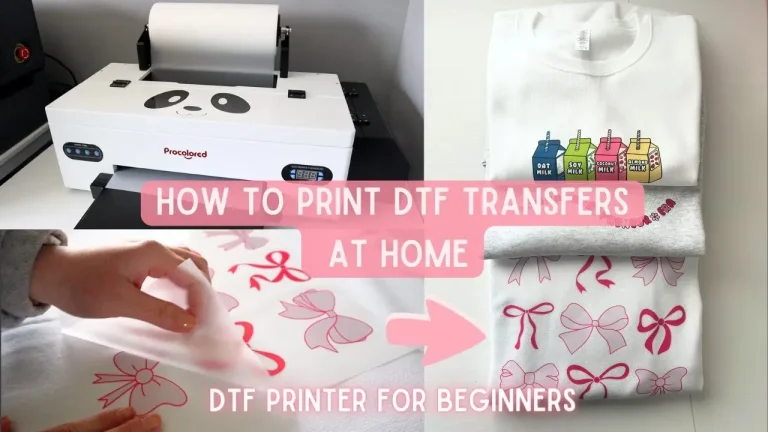
DIY DTF Printing at Home opens a world of at‑home customization for crafters, designers, and small businesses. This guide makes DTF printing for beginners approachable, delivering durable, vibrant transfers for tees, totes, and more. You’ll learn the essentials, including a practical DTF printer setup and a straightforward workflow that you can scale over time. A reliable DTF heat press guide and best practices for color management, curing, and safety help you move from curiosity to consistent results for DTF transfer at home. Starting small and documenting outcomes sets you up to expand your capabilities and turn passion into a reliable at‑home textile print workflow.
In broader terms, this home-based approach lets makers transform designs into wearable transfers from a compact studio. Think of it as a beginner-friendly method for creating vibrant fabric graphics using film-based inks, a dedicated powder, and a heat-transfer step. This method uses film-ready media, adhesive powders, and heat to move vivid images onto apparel. With a stable workspace, clear steps, and ongoing testing, hobbyists and micro-entrepreneurs can build a scalable process that grows with demand.
DIY DTF Printing at Home: A Practical Starter Guide
DIY DTF Printing at Home opens the door for crafters and small businesses to customize apparel with professional-looking transfers without sprinting into large orders. This starter guide speaks directly to DIY enthusiasts who are exploring the technique for the first time, highlighting how a home setup can deliver durable, vibrant results when approached with patience and a solid workflow. For beginners, the emphasis is on practicality, safety, and incremental learning so you can grow your skills over time.
As you embark on DIY DTF printing at home, you’ll learn how to assemble the essential toolkit, understand the basic workflow from artwork to finished transfer, and identify common hurdles early on. This guide is designed to support DTF printing for beginners by offering clear steps, recommended settings, and practical tips you can test on inexpensive fabrics before committing to your first full project. By treating the process as an iterative learning journey, you’ll build confidence and steadily improve your results.
DTF Printing for Beginners: Tools, Materials, and Workspace Essentials
A successful at-home DTF project starts with the right tools and materials. Core equipment includes a compatible printer (with CMYK inks and, if available, a dedicated white ink option), DTF transfer film, adhesive powder, a reliable heater for curing, and a heat press with adjustable temperature, time, and pressure. This section also covers protective gear, ventilation, and organization so your workspace supports safe, repeatable results.
Beyond the printer and film, you’ll need color management software, design tools, and a workflow that accommodates beginners. Tickets to smoother operations include alignment tools, a simple jig for consistent placement, and a traceable setup that helps you document successful parameter combinations. With these supplies in place, you’ll find that DTF printing for beginners is approachable and scalable as your designs become more ambitious.
DTF Printer Setup: From Equipment to Calibration
Getting started with DTF printer setup means installing the right ink configurations, ensuring the white ink channel (if your device supports it) is primed for production, and confirming that the printer can handle the transfer workflow. Proper setup minimizes color gaps and misregistration, setting the stage for accurate prints on your chosen fabrics.
Calibration is the backbone of reliable results. This involves color profiling, test prints on sample fabrics, and adjusting printer settings to align with your film and ink specifications. Documenting these test results helps you recreate favorable outcomes and builds a repeatable process for future projects, making DTF printing for beginners feel more predictable and less intimidating.
DTF Transfer at Home: The End-to-End Workflow
DTF transfer at home follows a practical sequence from artwork to final garment. Start with well-prepared artwork, ensure color management aligns with your film, and print the design in the correct orientation. After printing, apply the adhesive powder, cure it according to your material’s instructions, and prepare the garment surface for transfer.
The transfer step brings everything together: pre-press the garment, position the film accurately, and press with the recommended temperature, time, and pressure. Finishing steps like peeling strategies and post-transfer care complete the process and help you build consistency across projects. When done right, this workflow demonstrates that DTF transfer at home is a feasible way to produce high-quality results on a small scale.
DTF Heat Press Guide: Temperature, Time, and Pressure
The DTF heat press guide segment focuses on choosing the right heat press and dialing in temperature, time, and pressure for different fabrics. A strong starting point for many blends is around 160–170°C (320–338°F) for 15–20 seconds with medium pressure, but always verify with your film provider’s guidelines.
As you gain experience, adapt these settings to fabric type, weight, and color density. The guide emphasizes performing test presses on swatches, documenting the exact parameters that yield stable adhesion and clean finishes, and applying consistent pressure to prevent shifts during transfer. This approach helps you master the critical balance of heat and pressure needed for durable, vibrant results.
Maintenance, Safety, and Troubleshooting for DIY DTF
A safe, well-maintained workspace is essential for sustainable DTF at home. Regular cleaning of print heads and handling surfaces, proper storage of powders in dry environments, and good ventilation during powder curing and heat pressing protect both equipment and operators. PPE such as heat-resistant gloves and a clean, dust-free work area reduce the risk of accidents.
Troubleshooting is a key part of the learning curve for DIY DTF projects. Common issues like color fading, incomplete transfers, or powder adhesion problems can often be traced back to calibration gaps, improper curing, or misalignment. Maintaining a log of settings, performing small tests, and following a structured workflow helps you quickly identify and fix recurring problems, reinforcing your path toward consistent, high-quality results.
Frequently Asked Questions
What is DIY DTF printing at home and what beginner-friendly tools do I need?
DIY DTF printing at home lets you create vibrant, durable transfers right in your workspace. For a beginner-friendly setup, gather a DTF printer (or an inkjet configured for DTF) with CMYK inks and a possible white ink channel, DTF transfer film, adhesive powder, a powder-curing method, a heat press, suitable garments, design software (and a RIP if needed), and basic PPE. Then set up a clean, ventilated workspace, calibrate color profiles, and begin with inexpensive swatches to establish a simple, repeatable workflow.
What is the best approach to DTF printing for beginners at home?
A practical approach for DTF printing for beginners is to follow a simple, repeatable workflow: prepare artwork with proper size and color management, print on DTF film (usually mirrored), apply adhesive powder and cure, pre-press the garment, position the film with a jig for alignment, press at the recommended temperature and time, then peel and let the print cure. Use test prints to refine color management and finishing for reliable results.
How do I set up for a DTF transfer at home, including DTF printer setup and film handling?
To set up for a DTF transfer at home, create a well-ventilated workspace with stable power and organize film handling. Configure your DTF printer setup for transfer workflows (including a possible white ink channel), load DTF film correctly, and use alignment tools or a jig to ensure precise placement. Run calibration tests to fine-tune color profiles and print settings before tackling full projects.
Could you share a practical DTF heat press guide for beginners?
DTF heat press guide for beginners: start with around 160–170°C (320–338°F) for 15–20 seconds at medium pressure, then adjust based on fabric type and film guidelines. Use a protective sheet over the transfer, pre-press the garment to remove moisture, and avoid moving the film during pressing. Always follow your film’s specific instructions and run a test print to confirm results.
What are common issues in DIY DTF printing at home and how can I troubleshoot?
Common issues include faded colors, white gaps, powder not sticking, peeling after washing, and ghosting. Troubleshoot by verifying color profiles and pigment density, ensuring proper mirroring and alignment, confirming powder curing, and conducting small test prints on swatches before full garments. Keep the workspace clean and document settings to reproduce good results later.
What safety and maintenance practices should I follow for a home DTF printer setup?
Prioritize safety and maintenance by ensuring good ventilation, wearing gloves when handling powders and hot items, storing powders dry, and regularly cleaning print heads and film handling surfaces. Inspect equipment for wear, follow heat press safety guidelines, and maintain a clean, labeled workspace to support a reliable and safe DTF printer setup.
| Section | Key Points |
|---|---|
| Introduction | DTF enables at-home customization for crafters, designers, and small businesses; beginner-friendly step-by-step DIY DTF Printing at Home lets beginners create durable, vibrant designs on fabrics (e.g., t-shirts, tote bags) from a home workspace; focuses on setup and a practical workflow without large orders. |
| Appeal for Beginners | Cost efficiency; Flexibility for small runs or one-offs; Quality and durability with proper curing; Learn-and-improve through a structured workflow (color management, setup, troubleshooting). |
| What You’ll Learn | Essential tools and materials; Beginner-friendly workflow from artwork to transfer; Troubleshooting tips; Maintenance and safety considerations for a home workspace. |
| Getting Started / What You Need | Core, beginner-friendly gear and materials with emphasis on usability and safety (e.g., DTF printer and inks, transfer film, adhesive powder, curing method, heat press, garments, design software, PPE). |
| Essential Equipment and Supplies | DTF printer with CMYK inks and a white-ink channel (if supported); DTF transfer film; adhesive powder; powder-curing method; heat press; suitable garments; design/color software; PPE and workspace basics. |
| Helpful Accessories | Alignment jig, measuring tools, printer cleaning supplies, and protective cover or dust-free storage. |
| Workspace Setup | Ventilated area with stable power; organized powders/films; calibrated print settings and color profiles; practice on inexpensive swatches to dial in parameters. |
| Step-by-Step Workflow | 7-step process: prepare artwork and color management; print onto DTF film (mirror/ test print); apply adhesive powder and cure; prepare garment and film; transfer with heat press; peel and cool; post-transfer care and wash testing. |
| Tips for Beginners | Color management, proper powder coverage, small test runs on swatches, environmental stability, and thorough documentation of settings for future use. |
| Troubleshooting Common Issues | Faded colors; white areas; powder adhesion problems; peeling after washing; color misalignment; address by adjusting color profiles, curing, powder bonding, and alignment. |
| Maintenance and Safety | Regularly clean print heads and handling surfaces; store powders in dry conditions; ensure ventilation; wear heat-resistant gloves; inspect equipment and replace worn parts. |