

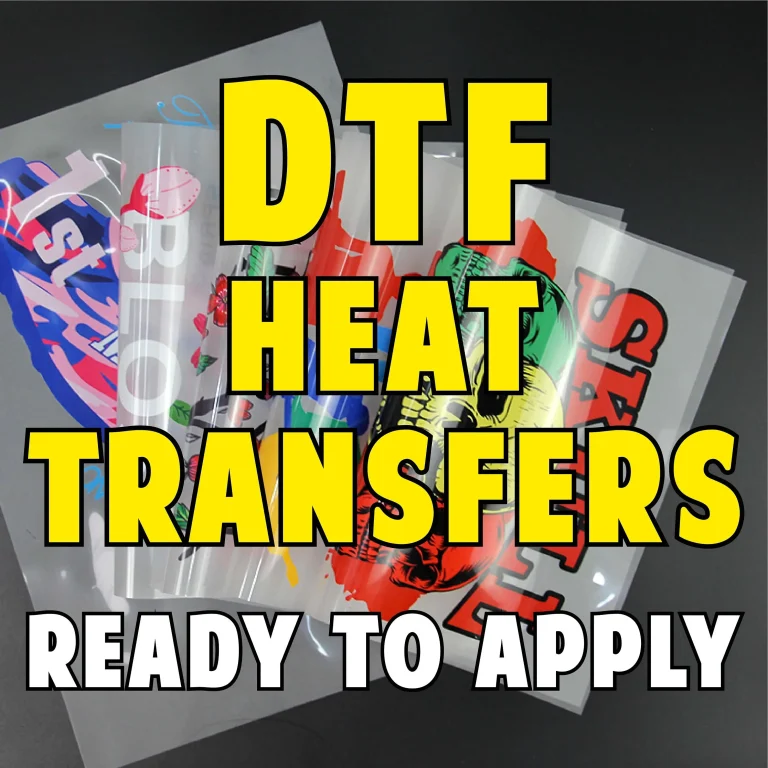
High-Quality DTF Transfers have redefined garment decoration by delivering vivid color and durability for hobbyists and professionals alike. To ensure consistent results, follow practical DTF printing tips that cover design, ink selection, powder handling, curing, and finishing. A careful workflow—selecting films and inks that pair well with your printer and heat press—helps translate artwork into vibrant, durable results that stand up to frequent wear and washing. Careful attention to alignment, curing, and finishing reduces the risk of cracking or peeling and supports repeatable quality. With practice, you’ll move from simple prints to premium outcomes that satisfy clients and spark ongoing creativity.
Think of this technology as a modern film-based transfer method for apparel rather than a traditional heat-transfer process. In this approach, pigment layers are printed onto a transfer film, where the white base and color inks are layered before being applied to fabric with heat and pressure. The focus shifts toward color management, film quality, and powder performance, all of which influence how the final print feels and lasts. By speaking in terms of garment decoration strategies, color fidelity, and post-press care, you can extend the usefulness of your equipment and expand your product offerings.
High-Quality DTF Transfers: Defining Quality and Expected Performance
High-quality DTF transfers are defined by color accuracy, image sharpness, durability, and the tactile feel of the print on fabric. The quality equation starts with selecting the right DTF film, ensuring white ink viscosity is stable, using color inks that print cleanly, and choosing an adhesive powder with consistent flow and heat characteristics. When these elements work in harmony, you’ll see crisp lines, smooth color transitions, and prints that resist washing and normal wear.
To consistently achieve this level of quality, adopt reputable materials and a standardized workflow. Calibrate your printer with color profiles tailored to the fabrics you print most often, maintain a reliable RIP, and verify density and white ink coverage with test checks before committing to a full run. If you follow these steps, High-Quality DTF transfers become a repeatable outcome rather than a lucky result.
DTF Printing Tips: Materials, Ink, and Calibration for Best Results
DTF printing tips begin with the right materials: films designed for vibrant color and easy powder adhesion, high-quality white ink, and color inks compatible with your printer and RIP software. The adhesive powder should be uniform and free-flowing, with heat characteristics that promote firm bonding during curing. A reliable printer with variable dot control and solid color management sets the stage for consistent results.
Printer setup matters nearly as much as media choice. Calibrate with color profiles that reflect the fabrics you print most often, maintain a consistent RIP workflow, and follow a standardized process so you can reproduce results. Embedding colors to the printer profile and using soft-proofing helps predict how inks will appear on both the film and the fabric, which is a cornerstone of effective DTF printing tips.
How to Apply DTF Transfers: Preparation, Alignment, and Press Parameters
how to apply DTF transfers starts with a clean, dry garment surface. Begin with a light pre-press to remove moisture that can affect adhesion, then align the design precisely using non-marking placement aids. For pressing, use a starting point around 160–170°C (320–340°F) with moderate pressure, and employ a silicone or Teflon sheet to protect both the transfer and the fabric.
After the initial press, follow a consistent peel strategy—cold or warm—based on the powder and film you’re using, and allow the garment to cool gradually to minimize distortion. Document the exact settings you used for each fabric type so you can reproduce the results at scale. When you follow a deliberate process, how to apply DTF transfers becomes a repeatable skill rather than a guess.
DTF Transfer Troubleshooting: Diagnosing and Fixing Common Problems
DTF Transfer Troubleshooting often begins with symptom-based analysis: faded colors, edge cracking, or white ink gaps. Start by validating color profiles, confirming RIP parameters, and ensuring full curing of the white ink and adhesive powder. Framing the issue as DTF transfer troubleshooting helps you identify whether the problem is printing, curing, or adhesion.
Common fixes include reprinting with adjusted density, verifying even powder distribution, and ensuring the transfer lies flat during heat treatment. For edge cracking, re-evaluate temperature, pressing time, and fabric compatibility, and always perform a test on the target fabric before a full run. A systematic diagnostic approach reduces downtime and waste.
Fabric Compatibility and Care: Maximizing Durability Across Fabrics
Fabric compatibility is a practical factor in achieving durable results. Cotton and cotton blends typically tolerate standard heat-press settings and yield bright color, while polyester and performance fabrics may require adjusted temperatures or pressing times to prevent scorching or color shifts. Always begin with fabric tests and document the best parameters for each material to keep the process scalable.
Build a fabric matrix of tested settings for different blends and weights so you can apply this knowledge to production planning. This minimizes surprises during large runs and supports consistent results across fabrics. Pairing thorough testing with disciplined documentation helps ensure reliable outcomes regardless of fabric choice.
DTF Transfer Care and Maintenance: Cleaning, Washing, and Longevity Strategies
DTF Transfer Care and Maintenance focuses on preserving adhesion and appearance after printing. Proper care extends the life of the print and reduces the risk of cracking or fading through repeated washes. Wash tests indicate that heat, friction, and harsh chemicals can degrade the adhesive layer, so establishing laundering and handling guidelines is essential.
Practical care steps include turning garments inside out, using mild detergents with cold or warm water, air drying when possible, and avoiding bleach or high-heat tumble drying. Regular maintenance of the printing system—cleaning the print head, checking rollers, and monitoring ink density—also contributes to longevity. Adhering to these care and maintenance practices helps keep DTF transfers looking fresh longer.
Frequently Asked Questions
What defines High-Quality DTF Transfers and how can I achieve them?
High-Quality DTF transfers are defined by color accuracy, image sharpness, durability, and how the print feels on fabric. Achieving this balance depends on choosing the right materials (quality DTF film, reliable white and color inks, and uniform adhesive powder), using a printer with accurate color management, and applying a precise heat-press process. Key steps include calibrating your printer with profiles for your most-used fabrics, preparing clean designs, embedding colors to match the printer profile, printing test strips, applying and curing the adhesive powder evenly, and finishing with careful post-press handling. When these factors work together, you’ll see crisp lines, smooth color transitions, and prints that resist washing, delivering High-Quality DTF transfers.
What are essential DTF printing tips to ensure vibrant, durable transfers?
Effective DTF printing tips start with quality materials and precise color management. Use reputable DTF film designed for vibrant color and easy powder adhesion, and pair it with high-quality white and color inks compatible with your printer and RIP. Calibrate the printer with fabric-specific color profiles, print at high resolution (at least 300 DPI), and embed colors to match the output profile. Print a test strip to verify color balance, density, and white ink coverage before committing to a full sheet. Ensure an even adhesive powder layer and complete curing, then follow safe post-press handling to preserve adhesion and texture.
How to apply DTF transfers to fabric for best results?
To apply DTF transfers correctly, start with a clean, dry garment and align the design precisely. Use a light spray or placement aid to keep it square, then heat press at about 160–170°C (320–340°F) with moderate pressure for 15–20 seconds. Protect the transfer with a silicone sheet or Teflon sheet, and choose a peel strategy (cold or warm) per the film and powder. After pressing, allow the garment to cool gradually and consider a light post-press to set the transfer further.
What are common DTF transfer troubleshooting issues and how can you fix them?
Common DTF transfer troubleshooting issues include faded colors, cracking or peeling at edges, white ink coverage gaps, and powder not adhering. Fixes: verify color profiles and RIP settings; ensure proper curing; for cracking, check temperature, press time, and fabric compatibility; for white gaps, ensure even powder distribution and clear white ink path; for powder adhesion, confirm the powder type matches the film and that humidity and airflow are controlled. Re-run test strips to confirm improvements.
How should you care for and maintain DTF transfers to maximize longevity?
DTF transfer care and maintenance is essential for longevity. Turn garments inside out before washing, use cold or warm water with mild detergents, avoid bleach, air dry when possible or tumble dry on low heat, and avoid dry cleaning which can introduce solvents that affect the adhesive. With proper care, High-Quality DTF transfers maintain brightness and adhesion through many washes.
What workflow promotes consistency for High-Quality DTF transfers?
To maintain consistency, create standard operating procedures for each fabric and transfer type, regularly maintain equipment, use test garments for new materials or color profiles, and log temperatures, times, and pressure. This approach, guided by practical DTF printing tips, helps reproduce results, quickly diagnose deviations, and scale production while keeping High-Quality DTF transfers as the standard.
| Section | Key Points |
|---|---|
| Understanding what makes High-Quality DTF Transfers | Defined by color accuracy, image sharpness, durability, and the feel on fabric. Key factors include film quality, white ink viscosity, color ink performance, adhesive powder, and heat-press parameters. When these work in harmony, you see crisp lines, smooth color transitions, and prints that resist washing and normal wear. |
| DTF Printing Tips: Materials and Equipment | Use reputable DTF film designed for vibrant color and powder adhesion. Choose high-quality white ink and color inks compatible with your printer and RIP. The adhesive powder should be uniform and free flowing with good heat characteristics. A reliable printer with variable dot control, accurate color management, and a capable RIP ensures color fidelity. Calibrate with profiles for fabrics and start with a standardized workflow before introducing variations. |
| Printing workflow for consistency | Prepare design with clean edges and color separations; use vector outlines for sharp text and high-resolution rasters (>=300 DPI). Convert colors to match the printer profile and use soft proofing. Print a test strip to verify color balance, density, and white ink coverage. Apply an even layer of adhesive powder and cure thoroughly according to the powder instructions. |
| How to apply DTF transfers successfully | Prepare garment surface with clean, dry fabrics and a brief pre-press to remove moisture. Align precisely using placement aids. Heat press around 160–170°C (320–340°F) with moderate pressure for 15–20 seconds; adjust for heavier fabrics. Use protective coverings during pressing. Choose peel strategy (cold or warm) per guidance. Let garment cool gradually and apply a light post-press to set the transfer. |
| Troubleshooting common issues | Faded colors: check color profiles and calibration, revisit RIP, ensure full powder cure. Cracking at edges: verify temperature, time, fabric compatibility, and ensure transfer lies flat. White ink gaps: ensure even powder and proper density; unclogging white path if needed. Powder not adhering: confirm powder type, curing time and temperature, humidity and airflow can affect adhesion. |
| Choosing fabrics and fabric compatibility | Cotton and cotton blends are forgiving with bright color and strong adhesion. Polyester and performance fabrics may require higher temperatures or longer pressing; always run fabric tests and document best settings for repeatability and scale. |
| DTF transfer care and maintenance | Care in washing: heat, friction, and harsh chemicals can degrade prints. Turn garments inside out, use cold or warm water with mild detergents; avoid bleach. Air dry when possible; if tumble drying, use low heat. Avoid dry cleaning that can expose adhesive to solvents. |
| Advanced tips for consistent results | Create standard operating procedures for each fabric and transfer type. Maintain equipment by cleaning print heads, monitoring ink density, and checking rollers. Use test garments for new materials and keep a log of temperatures, times, and pressures to reproduce results and diagnose deviations. |
Summary
High-Quality DTF Transfers represent a disciplined blend of material choices, workflow consistency, and thoughtful finishing. By selecting the right film, inks, and powders and by tuning heat-press parameters and curing, you can achieve color fidelity, durability, and a soft hand across fabrics. Continue testing, document your best settings, and stay open to new films or powders to push results further. With practice, High-Quality DTF Transfers become a reliable standard your clients can trust.