

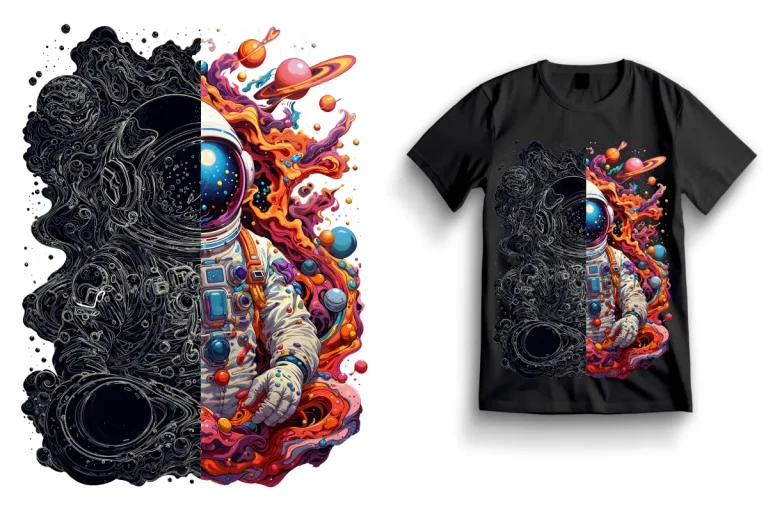
Navigating the fast-paced world of custom apparel production can feel like an endless balancing act between maintaining sharp graphic detail and controlling overhead costs. If you have spent hours weeding tiny vinyl letters or turning away intricate multi-color orders due to high screen setup fees, you already know the limitations of traditional decoration methods. Fortunately, the rise of high-quality dtf transfers has rewritten the rules for garment decorators worldwide. This breakthrough digital printing method allows brands to apply vivid, high-resolution, full-color graphics to almost any textile with absolute ease. By bypassing the strict minimums and setup barriers of the past, creators are unlocking unprecedented creative freedom and significantly higher profit margins on every single run.
The Physics and Mechanics Behind Direct-to-Film Innovation
Understanding why the industry is pivoting so heavily toward DTF technology requires a closer look at how these prints are constructed. Unlike traditional screen printing, which pushes heavy ink layers through a mesh stencil directly onto a garment, this modern system prints digital designs in reverse onto a specialty clear carrier film. Advanced industrial printheads deposit a rich layer of CMYK pigment inks, followed immediately by a dense, precisely registered layer of white ink. While the ink is still wet, a specialized thermoplastic polyurethane adhesive powder is applied across the entire design surface.
The magic happens during the curing phase, where the adhesive powder is melted down using a conveyor dryer or heat oven to form a thin, highly flexible uniform layer. When you introduce this finished product to a commercial heat press, the adhesive bonds seamlessly with the underlying textile fabric, locking the pigment inks into place. The final result is a decoration that feels incredibly lightweight, stretches effortlessly with the garment, and maintains its foundational structural integrity without cracking or peeling over time.
Breaking the Fabric Compatibility Barriers
For years, custom decorators had to stock multiple types of print media to handle different garment compositions. Sublimation printing offered soft prints but was strictly limited to white or light-colored polyester fabrics. Screen printing could handle dark cotton but struggled significantly on high-stretch athletic blends due to dye migration risks. Modern film transfers eliminate this material segregation entirely by delivering flawless adhesion across a universal spectrum of textiles, including the following popular categories:
- Pure Organic Cotton: Achieves a classic retail look with deep ink penetration, perfect for streetwear brands and corporate merchandise.
- Performance Polyester and Nylon: Low-temperature curing powders prevent heat scorching and dye bleeding on athletic jerseys and activewear.
- Heavy Canvas and Denim: The rugged adhesive layer grips tightly onto thick, heavily textured fabrics, making it ideal for custom tote bags, workwear, and jackets.
- Blended Tri-Blends and Rayon: Offers a soft hand-feel that matches the natural drape and movement of delicate, lightweight fashion garments.
Sourcing Your Print Materials for Maximum Shop Efficiency
When unexpected bulk orders roll in or clients demand tight turnaround schedules, shop owners cannot afford to wait days for shipping carriers to deliver vital raw materials. This operational pressure explains why apparel decorators frequently search online for dependable dtf transfers near me to establish a reliable, regional supply chain. Securing a local production partner means you can eliminate costly shipping fees, minimize transit damages, and quickly pick up emergency inventory to keep your heat presses running smoothly.
However, geographic proximity shouldn’t serve as a compromise for print quality. A true commercial production partner must utilize fresh ink batches, perform rigorous daily printhead maintenance, and implement strict quality control protocols. Combining local accessibility with industrial-grade equipment ensures that you receive clean transfers with perfect edge definition, deep black levels, and zero powder residue on the unprinted areas of the film.
Dominating the Custom Garment Industry in the Lone Star State
Texas represents one of the largest and most competitive custom apparel markets in the nation, driven by massive corporate demands, sports leagues, and independent clothing lines. For shop owners trying to stand out in this crowded arena, finding the absolute best dtf transfer at Houston involves identifying a supplier focused squarely on commercial performance and longevity. Premium apparel decoration requires prints that can survive intense daily wear and heavy industrial washing cycles without showing signs of degradation.
Partnering with a specialized facility for your regional Houston dtf transfer needs gives your business a distinct competitive advantage. Premium suppliers utilize advanced industrial-scale equipment that prevents the micro-banding and color shifting common among low-end desktop conversion printers. By ensuring that your custom merchandise features rich color gradients, flawless white under-lining, and exceptional stretch recovery, you can comfortably command higher retail price points and build lasting customer loyalty.
Essential Quality Benchmarks Every Business Owner Should Inspect
Before committing to a long-term production supplier, always request a physical sample pack and test the prints against these crucial industry metrics:
- Opacity Control: Press the design onto a solid black or dark navy garment. The white underbase must block the dark fabric fibers completely, ensuring that bright yellows, reds, and whites remain crisp and true without any base color bleeding through.
- Stretch Recovery: Manually stretch the cooled, pressed design in multiple directions. A high-quality polyurethane adhesive will expand smoothly alongside the textile fibers and snap back cleanly into its original shape without cracking or leaving visible lines.
- Texture and Hand-Feel: Evaluate the post-press texture. It should feel smooth, lightweight, and integrated into the garment rather than resembling a thick, stiff plastic plate sitting awkwardly on top of the fabric surface.
The Definitive Heat Press Application Blueprint
Even the most advanced transfer film will experience premature lifting or washing failures if the final heat press application process is carried out incorrectly. Achieving a permanent commercial bond requires uniform downforce, precise heat management, and proper timing control. Implementing this professional step-by-step workflow will eliminate application errors and ensure retail-ready durability for every customer order.
Phase 1: Eliminating Ambient Moisture and Creases
Position your blank garment smoothly onto the lower platen of your commercial heat press. Lower the heat element and apply solid pressure for 5 to 7 seconds without the transfer film in place. This pre-pressing stage is vital because it drives out hidden moisture trapped inside the textile weave and flattens out wrinkles. If you skip this step, the moisture will instantly turn to steam during the main press, creating micro-pockets that prevent the powder adhesive from fusing perfectly with the fabric threads.
Phase 2: The Main Thermal Fusion Press
Allow the pre-pressed fabric to rest for a few seconds, then align your printed transfer sheet precisely over the desired target area. Lower your calibrated commercial heat press and apply heat at 300 to 315 degrees Fahrenheit for exactly 12 to 15 seconds, ensuring your equipment is locked into a true medium-to-firm pressure setting. Avoid using small manual craft irons or cheap hobby presses, as they cannot provide the continuous, uniform downforce required to liquefy the hot-melt adhesive completely across the entire surface area.
Phase 3: The Cooling, Peeling, and Matte Finishing Process
Carefully remove the garment from the press platen. If you are working with a cold-peel film formulation, allow the garment to cool completely to room temperature before attempting to remove the plastic carrier. Peel the film away from the fabric in a smooth, continuous, low diagonal motion. To ensure maximum durability and eliminate any artificial plastic sheen, place a sheet of parchment paper or a silicone finishing pad directly over the exposed print and execute a secondary post-press for 5 seconds at the same temperature. This final step drives the ink edges deep into the fabric grain, leaving a high-end matte finish.
Frequently Asked Questions Regarding Modern Garment Decoration
What separates this modern digital transfer method from traditional screen printing?
Traditional screen printing requires creating individual mesh stencils, mixing physical inks, and setting up massive multi-station presses for each individual color in a design, making short production runs highly expensive. This digital method prints all color channels and the adhesive base simultaneously on a single film sheet, allowing you to produce highly complex, multi-colored graphics with zero setup fees or order minimums.
Why are my pressed transfer designs lifting or peeling off after the first wash?
Premature lifting is almost always caused by improper application variables, such as inadequate pressure, low heat press temperatures, or an uncalibrated heating element that prevents the adhesive powder from melting fully. It can also occur if the blank garment retained high levels of ambient moisture during the initial alignment phase, blocking the adhesive bond.
How should customers care for garments decorated with film transfers?
To maximize the lifespan of the print and keep colors vibrant for dozens of wash cycles, consumers should always turn the apparel items inside out before washing. Machine wash using cold or warm water with a mild detergent on a gentle cycle. Avoid using liquid fabric softeners or chlorine bleach, and tumble dry on low heat settings or hang dry to preserve the premium texture.
Scaling Your Custom Apparel Brand with Elite Production Infrastructure
Building a highly successful clothing brand or commercial print shop requires a perfect combination of creative graphic design and bulletproof technical execution. By stepping away from the tedious setups of traditional printing and adopting commercial-grade transfer solutions, you eliminate the historic production bottlenecks that slow down your growth. At Harwin DTF, we focus on providing custom apparel creators with the exceptional color accuracy, heavy duty durability, and rapid fulfillment speeds necessary to thrive in today’s competitive landscape. Outsourcing your high-volume print production to a dedicated expert allows you to spend more time refining your concepts and expanding your client base. Let our professional printing infrastructure handle the manufacturing heavy lifting, ensuring that every piece of merchandise you deliver carries a flawless, retail-quality finish that keeps your clients coming back for more.