

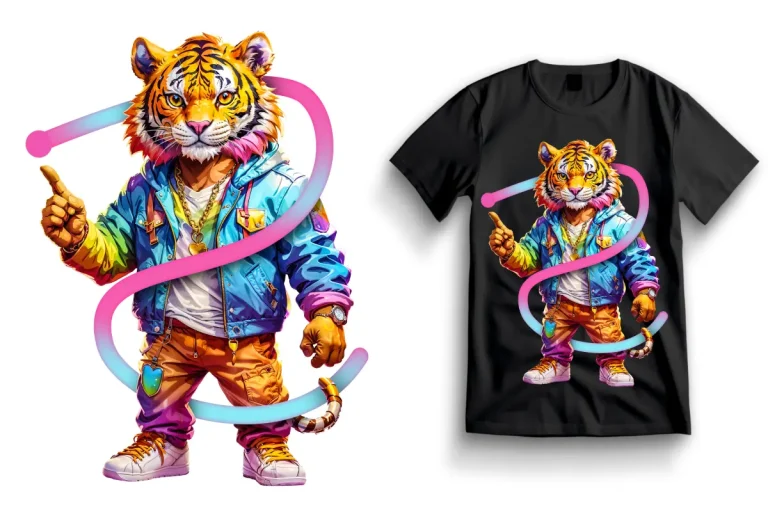
Modern print shops and emerging clothing brands face the same constant pressure to deliver intricate, vibrant apparel designs under tight deadlines without exploding their overhead costs. If you have ever spent hours manually picking away tiny scraps of heat transfer vinyl or lost profitable orders because screen printing setup fees were too expensive for small batches, you understand how restrictive old methods can be. This exact bottleneck is why high-performance dtf transfers have completely reshaped the custom apparel market. By allowing high-resolution digital designs to be printed onto specialized film and directly applied to almost any fabric, this technology offers absolute creative freedom, unmatched production agility, and excellent profit margins for businesses of all sizes.
The Technical Blueprint of Direct-to-Film Print Layering
Understanding the widespread industry shift toward DTF production requires a close look at the multi-layered science that makes these prints exceptionally durable. The entire process relies on advanced digital inkjet technology combined with specialized chemistry. First, industrial printheads deposit a highly detailed graphic in reverse onto a translucent poly-coated film using specially formulated cyan, magenta, yellow, and black pigment inks. Instantly following the color pass, a heavy, perfectly aligned layer of white ink is printed directly on top of the colored artwork, serving as a solid block that prevents the color of the garment from muddying the design.
While the white ink layer is still completely wet, the printed film passes through an automated powdering unit where a specialized thermoplastic polyurethane adhesive powder is evenly applied. The sheet then enters a specialized curing oven or conveyor tunnel heated to precise temperatures. This heat transforms the dry adhesive granules into a uniform, smooth, cross-linked barrier layer. When this finalized film is later placed under a heat press, the cured adhesive liquefies just enough to weave deeply into the porous spaces of the garment threads, cooling into an incredibly strong mechanical bond that resists peeling and cracking through extensive daily wear.
Overcoming Material Restrictions Across Various Fabric Types
For decades, custom apparel workshops had to stock completely different types of design media depending on the specific garments ordered by their clients. Sublimation techniques provided a wonderfully soft texture but remained strictly locked to white or extremely light-colored polyester blends. Conversely, standard screen printing yielded excellent opacity on dark cotton but frequently suffered from dye migration and severe discoloration when applied to synthetic athletic fabrics. Modern film transfers completely eliminate these operational barriers by ensuring uniform adhesion across a vast, unrestricted spectrum of commercial fabrics.
When applying these graphics to 100 percent natural cotton, the adhesive melts seamlessly into the organic fibers, creating a soft finish that mirrors high-end retail apparel. On performance wear like polyester, nylon, and spandex blends, the low curing temperature of the adhesive prevents the fabric from scorching while blocking the synthetic dyes from bleeding into the printed graphic. Furthermore, the robust nature of the polyurethane backing allows it to cling tightly to heavy, heavily textured surfaces such as thick canvas bags, denim jackets, and rugged work uniforms, giving decorators a truly universal decoration solution.
Optimizing the Local Sourcing Network for Urgent Workflows
When sudden custom apparel orders arrive unexpectedly or corporate accounts demand immediate order turnarounds, print shop managers cannot afford to lose days waiting for cross-country shipping carriers to deliver vital supplies. This immediate operational reality explains why commercial decorators frequently search online for premium dtf transfers near me to establish a reliable, geographic safety net. Having an accessible regional production partner allows shops to eliminate expensive shipping surcharges, avoid transit damages, and quickly secure rush inventory to keep their heat presses running continuously.
However, geographic proximity should never serve as an excuse to tolerate subpar print production standards. A truly professional supply partner must operate under strict quality control guidelines, which include climate-controlled material storage, rigorous daily printhead cleaning cycles, and precise machine alignment checks. Combining rapid local pickup options with heavy duty commercial equipment guarantees that the transfer sheets you receive feature crisp text edges, deep color saturations, and zero oily residue on the unprinted borders of the carrier film.
Navigating the Highly Competitive Texas Apparel Market
The regional marketplace across Texas represents a massive, fast-moving landscape fueled by corporate expansions, sports associations, and independent streetwear labels. For print shop owners striving to capture a dominant share of this lucrative market, tracking down the absolute best dtf transfer at Houston requires evaluating a supplier based on physical testing rather than relying on basic advertising promises. Delivering professional contract decoration means providing garments that feel comfortable against the skin and maintain their pristine appearance over months of rigorous usage.
Securing a dedicated facility for your regular Houston dtf transfer orders provides your custom clothing line with an immediate competitive advantage. Top-tier production facilities utilize wide-format commercial roll printers equipped with automated ink circulation loops, completely eliminating the micro-banding lines and color shifts common among small, converted desktop setups. By ensuring that your custom merchandise features rich color blending, complete white under-base opacity, and remarkable stretch elasticity, you can comfortably set premium retail prices and build deep customer loyalty.
Key Quality Benchmarks Every Print Professional Must Measure
Before launching a massive production run for a major client, always request sample sheets and grade the prints against these crucial industry metrics:
- Opacity Separation: Press a multi-colored design onto a solid black or dark charcoal garment. The white foundation layer must completely isolate the garment fabric fibers, ensuring bright pastels, yellows, and clean whites remain sharp without dark fabric tones bleeding through.
- Elastic Recovery Rate: Manually stretch the fully cured and cooled garment design in multiple directions. The premium polyurethane adhesive should expand easily alongside the moving knit fibers and return smoothly to its original shape without cracking or tearing.
- Surface Texturing: Examine the finished print by hand. It must possess a thin, lightweight, flexible touch that integrates gracefully with the textile surface, rather than creating a thick, stiff plastic shield on the garment chest.
The Step-by-Step Commercial Heat Press Protocol
Even the highest grade transfer film available will experience premature edge peeling or washing failures if the final heat press application process is carried out carelessly. Creating a permanent, commercial fusion requires exact temperature monitoring, balanced pressure distribution, and proper timing control. Implementing this professional production workflow within your shop will eliminate application errors and ensure retail-grade longevity.
Phase 1: Fabric Dehumidification and Crease Removal
Smoothly position your blank apparel item onto the lower platen of your commercial heat press. Lower the heating element and press the empty garment for five to seven seconds before introducing the transfer film. This initial pre-pressing stage is vital because it extracts ambient moisture trapped deep within the woven fibers and flattens out wrinkles. Skipping this step risks turning trapped moisture into steam pockets during the primary press, which blocks the adhesive from fully bonding with the textile yarn.
Phase 2: The Primary Thermal Alignment Press
Allow the pre-heated fabric to rest briefly, then place your trimmed transfer sheet precisely onto the target zone with the printed ink layer facing down. Lower your calibrated commercial heat press and apply heat at 300 to 315 degrees Fahrenheit for exactly 12 to 15 seconds, making certain your machinery is set to a solid medium-to-firm downward force. Do not rely on hand-held household irons or lightweight hobby craft presses, as they lack the uniform heat distribution and steady pressure necessary to liquefy thermoplastic powder across large surface areas.
Phase 3: Cooling, Film Removal, and the Final Post-Press
Carefully slide the garment off the press platen. If you are using a traditional cold-peel film formulation, allow the garment to sit undisturbed until it cools entirely to room temperature. Peel the carrier sheet away from the fabric in a smooth, continuous, low diagonal motion. Once the plastic liner is gone, place a sheet of silicone finishing paper or parchment directly over the exposed design and perform a secondary post-press for five seconds at the same temperature. This crucial step pushes the ink edges securely into the textile grain, locking the print permanently and exchanging any leftover synthetic shine for a high-end matte finish.
Frequently Asked Questions Regarding Modern Garment Decoration
What makes digital film transfers more cost-effective than screen printing?
Screen printing requires creating individual stencils, mixing chemical inks, and performing heavy cleanup for each individual color layer, making short runs financially restrictive. Digital film transfers produce all color channels and the adhesive layer simultaneously on a single film sheet, allowing you to run complex multi-colored artwork with zero setup costs or high order minimums.
What causes transfer designs to crack or peel away during normal washing?
Premature peeling or cracking is typically caused by insufficient application variables, such as low heat press temperatures, short press times, or inadequate downward pressure, which stop the adhesive powder from melting completely. It can also happen if the blank fabric contained high levels of moisture during the initial alignment phase, disrupting the polyurethane bond.
How should customers care for their customized film-printed clothing?
To preserve maximum color vibrancy and print flexibility through dozens of laundry cycles, consumers should turn garments inside out before washing. Machine wash using cold or warm water with standard mild detergents on a gentle cycle. Avoid using aggressive chlorine bleaches or liquid fabric softeners, and tumble dry on low heat settings or hang dry to keep the print surface smooth.
Scaling Your Production Workflow for Maximum Long-Term Growth
Building a highly successful apparel brand or expanding a commercial print shop requires balancing unique graphic design concepts with flawless physical execution. Shifting away from the high labor demands of older processes and embracing advanced commercial digital transfers allows your team to focus entirely on marketing, customer acquisition, and product development. At Harwin DTF, we are fully committed to providing apparel decorators with the exceptional color depth, rugged wash durability, and rapid processing speeds necessary to lead the modern marketplace. By trusting your large-scale print production to an infrastructure engineered for commercial reliability, you can confidently grow your business footprint knowing that every piece of custom apparel you deliver features a flawless retail finish that keeps your clients coming back for more.